Our Story

Chiselled by time is the great epic of Kerala Kalamandalam, the sacred ground where Kerala's cultural identity found its form. Journey with us through the years that shaped it.

1920's

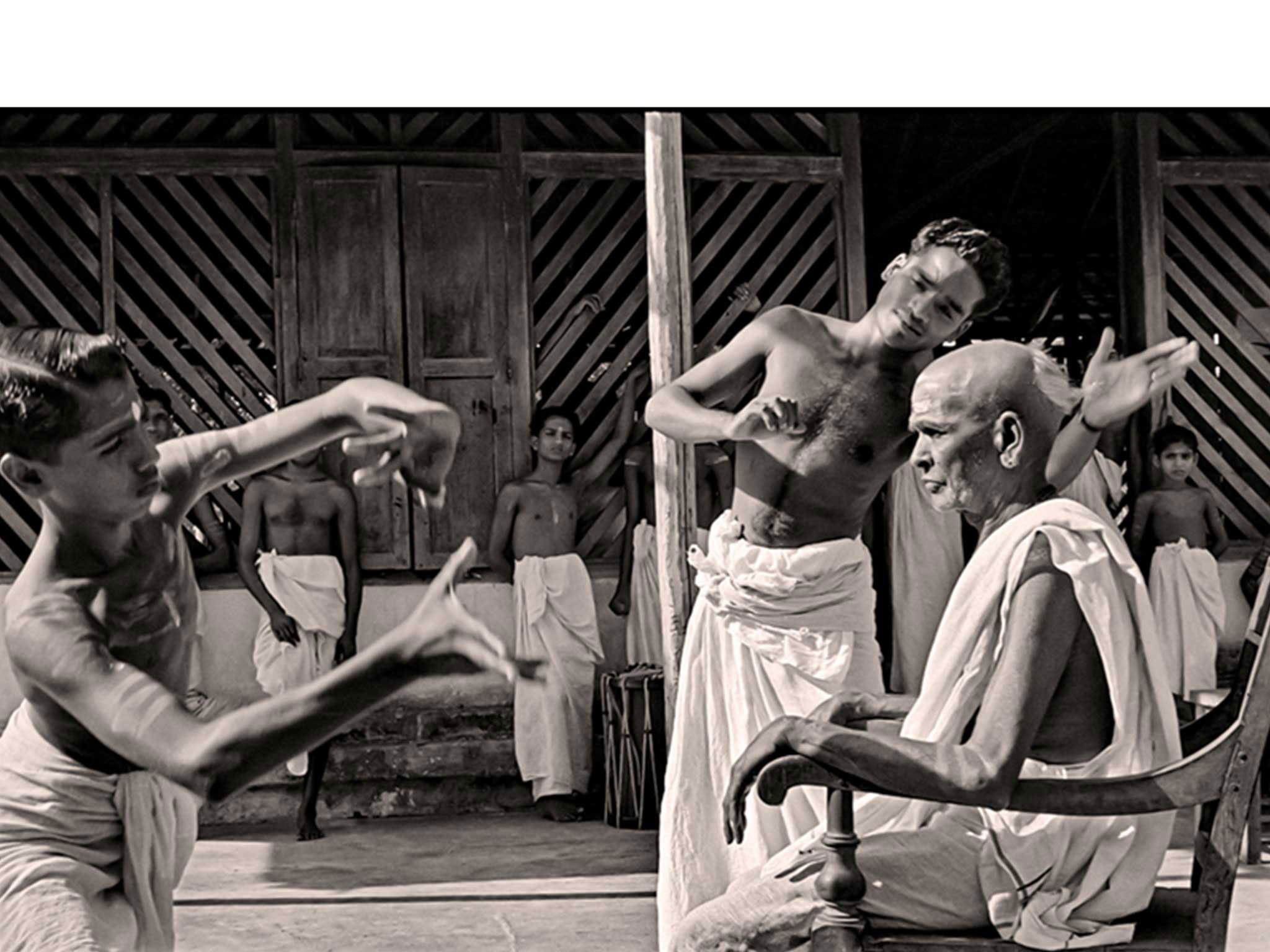
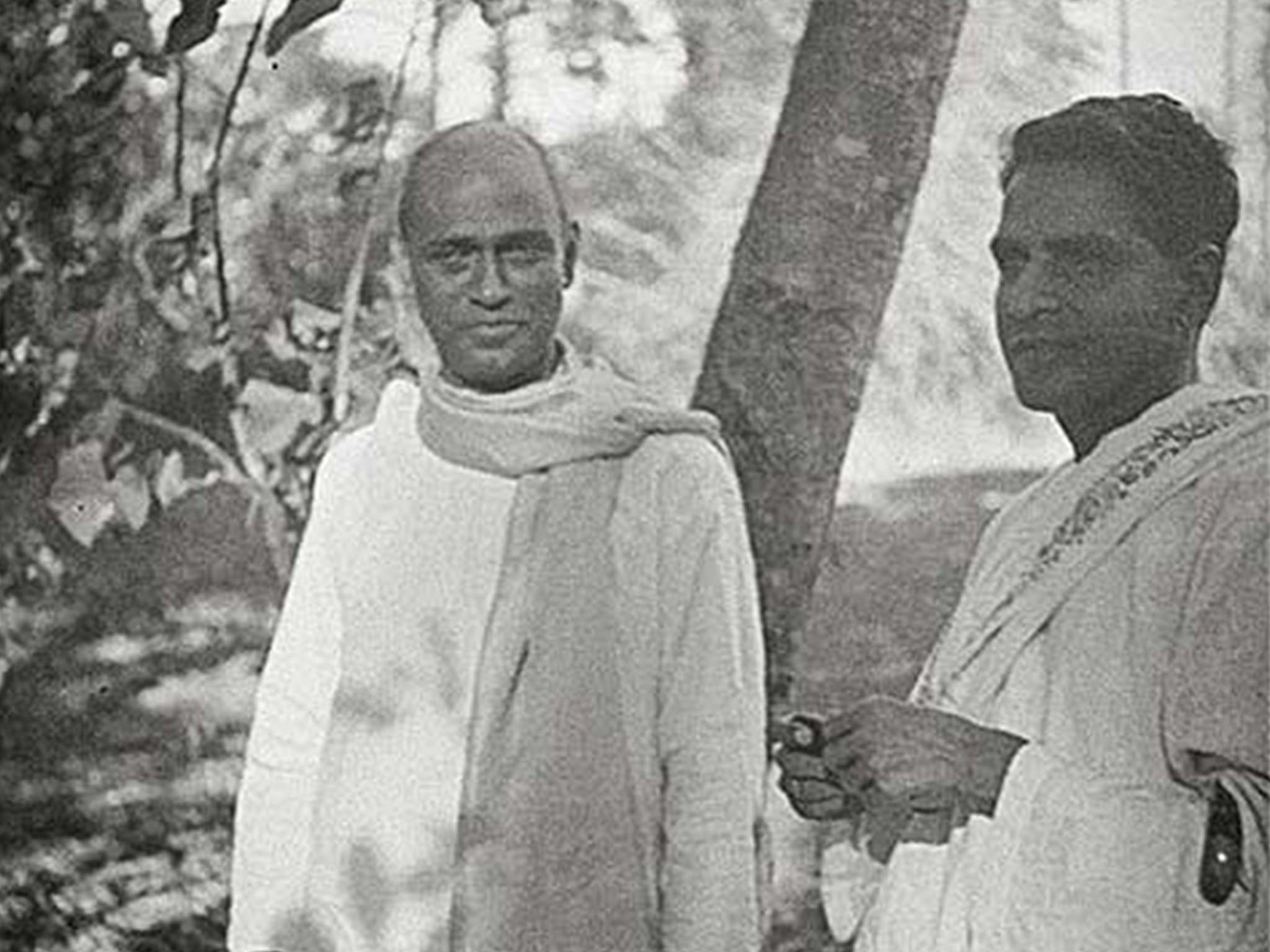
The air was heavy with unrest. Revolutions were brewing. India stood at the cusp of becoming something new. But Kathakali, the magnificent dance-drama of gods and demons soaked in colour, stood on the brink of fading into history. Vallathol Narayana Menon, Kerala's beloved poet and, more importantly, a man who could not watch a piece of his culture vanish, stepped forward. With him joined Manakkulam Mukundaraja (1890-1972), his trusted confidant, and Manakkulam Valiya Kunjunni Raja (1850-1942), the then Kakkad Karanavappad, a regional lord who was a poet and musician. Together, they faced the weight of skepticism by rallying the support of the people through a lottery, where every ticket sold drew their vision closer to light.
1930

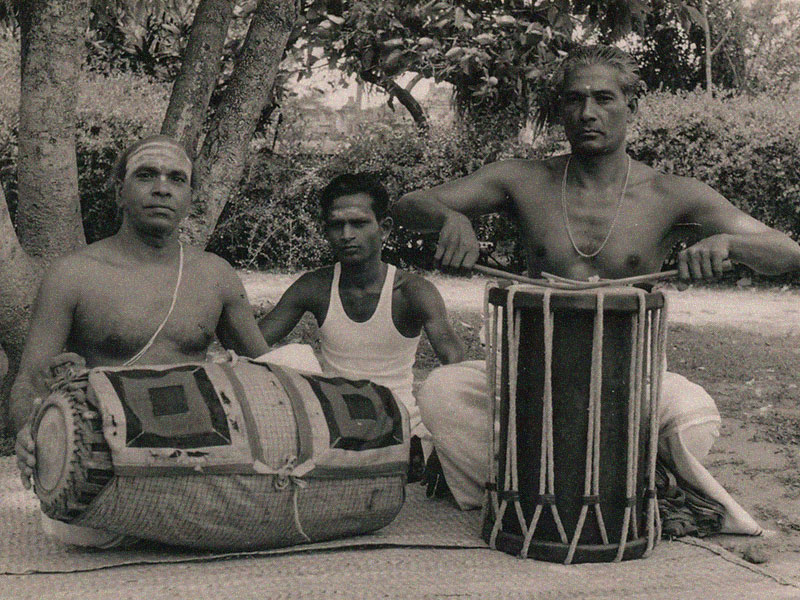
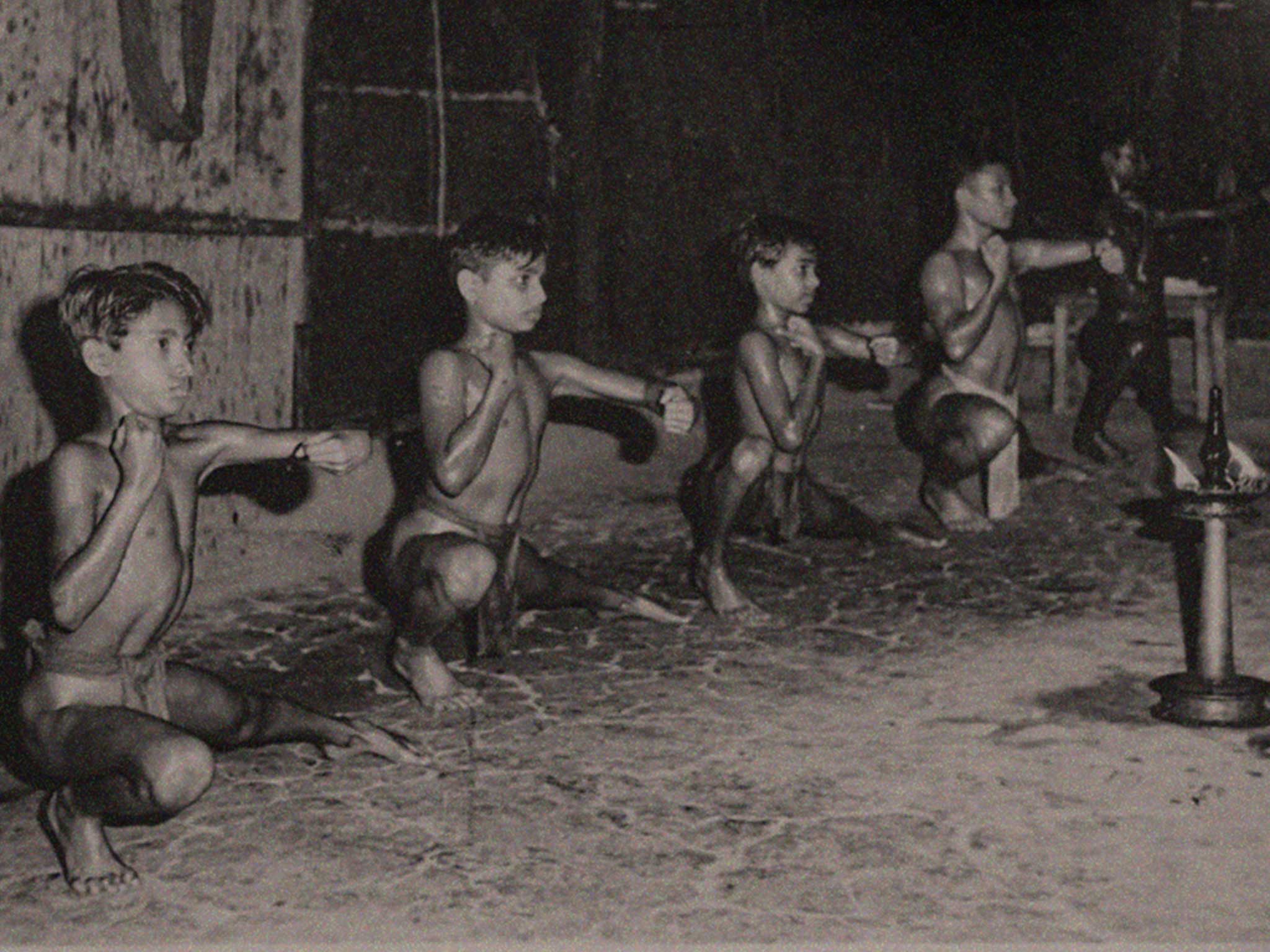
Within the stately walls of Kakkad Valiya Kunjunni Raja's palace in Kunnamkulam near Thrissur, the first flame of Kerala Kalamandalam was lit. Valiya Kunjunni Raja placed in the hands of this newborn institution his entire Kaliyogam. Thus, the three teachers, five students, and the full array of costumes and performance regalia crossed the threshold as a sacred inheritance. And so, Kalamandalam started its journey to become what history would one day call the guardian of Kerala's art forms.

1936

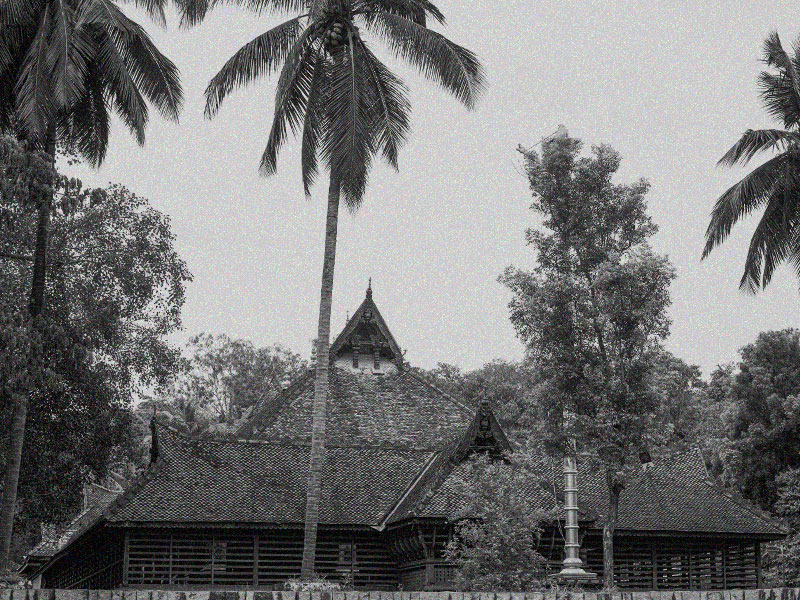
Before it could claim a space of its own, Kerala Kalamandalam moved from one shelter to another—first a palace room, then the quiet halls of Srinivasam Bungalow in Ambalapuram near Wadakkanchery. But it was on the banks of the river Nila in Cheruthuruthy, where the water flowed like the cultural soul of Kerala, that Kerala Kalamandalam finally found a nurturing ground to call its own, known today as the Nila Campus.

1962

Five years after coming under the stewardship of the Government of Kerala, Kerala Kalamandalam was declared the State Akademi of Arts in 1962. This marked a moment of formal recognition, affirming its rising stature as a cultural institution and cementing its place as the face of Kerala's artistic spirit.

1971

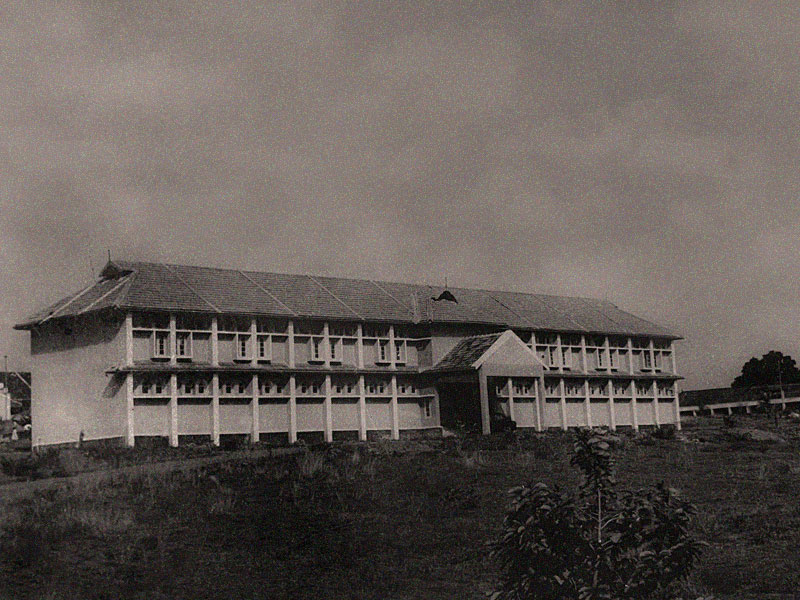
What had begun years earlier with five students and a single art form had flourished, growing steadily student by student, art form by art form. To give this expanding vision a larger home, Kerala Kalamandalam extended its campus to the nearby village of Vettikkattiri, which would soon be known as Vallathol Nagar. Here rose the Vallathol Nagar Campus, a new chapter in the making of a legacy, where the future found more room to rise.

2007

As the world moved at a quicker pace, it became clear that students would need not just the rigour of art but the tools of modern education to thrive in a changing world. And so, contemporary education found its place by the integration ofsecondary and higher secondary classes, allowing art and academia to grow side by side. With more than 600 students and over 100 teachers, Kerala Kalamandalam was granted the status of a deemed university in 2007 by the Government of India, becoming Kerala's first art and cultural university and the third of its kind in the country.

2024

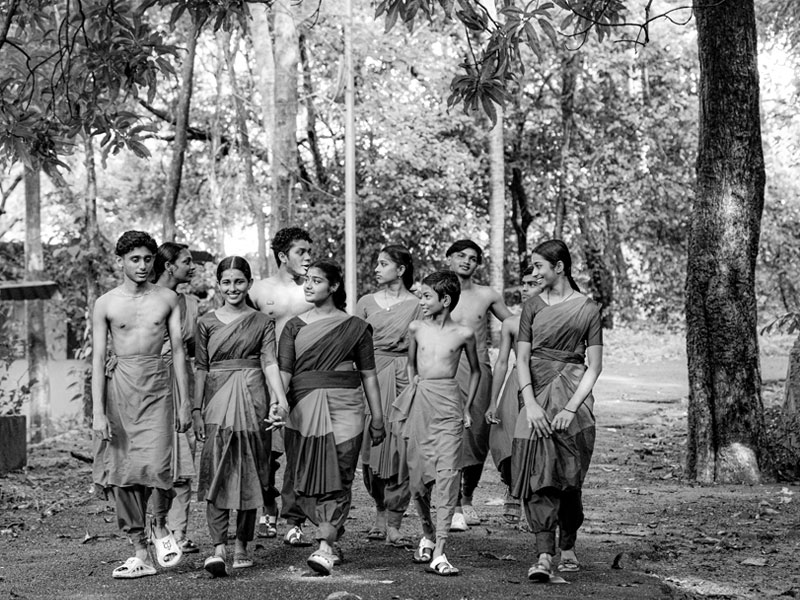
The old boundaries of caste, religion, and exclusion had long faded. By 2024, every art form at Kalamandalam became fully gender-neutral, free from the bounds of tradition that once drew lines between who could learn and who could not. It stands today as a testament to an enduring belief that art, in its truest form, belongs to everyone.

Scroll